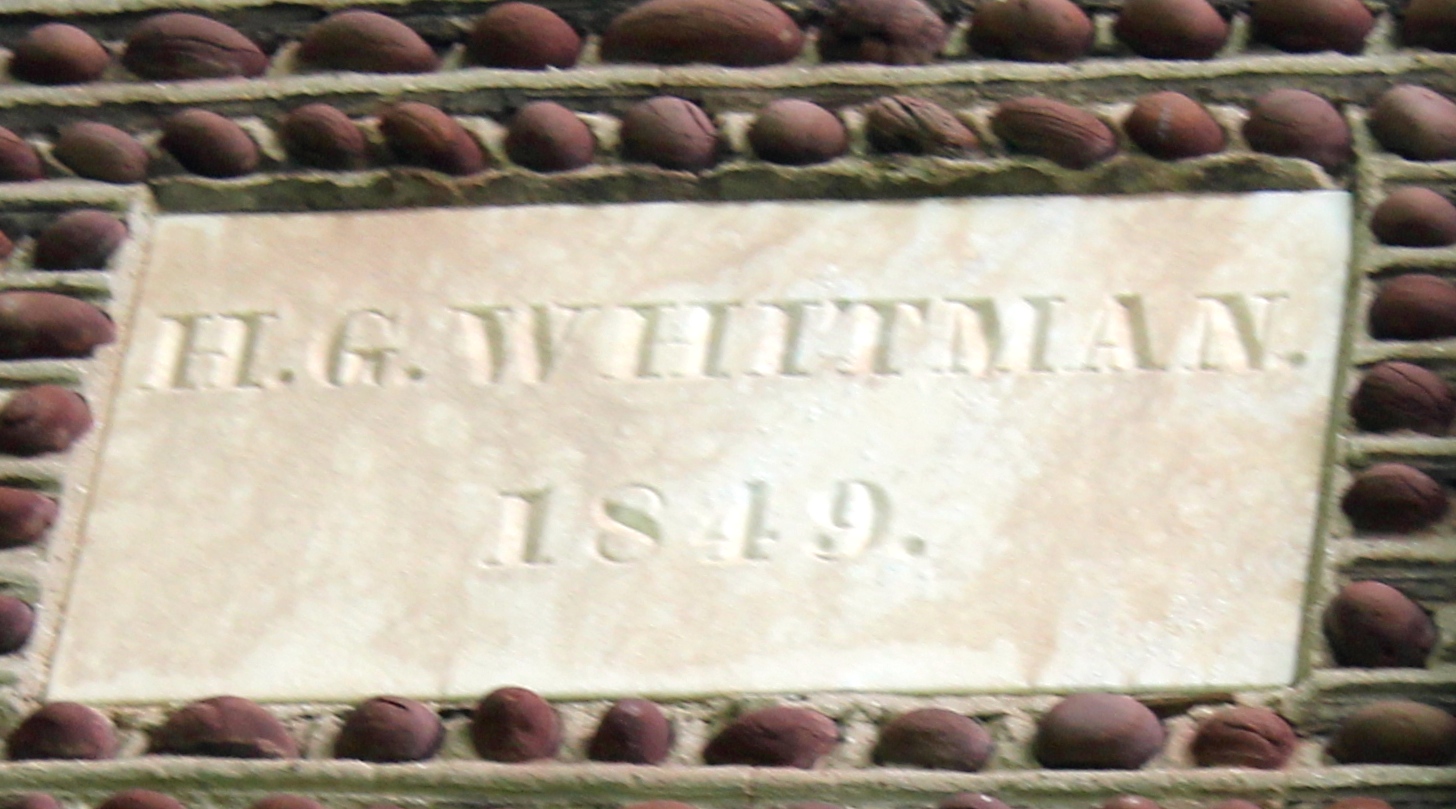
Building date: 1849
Original use:
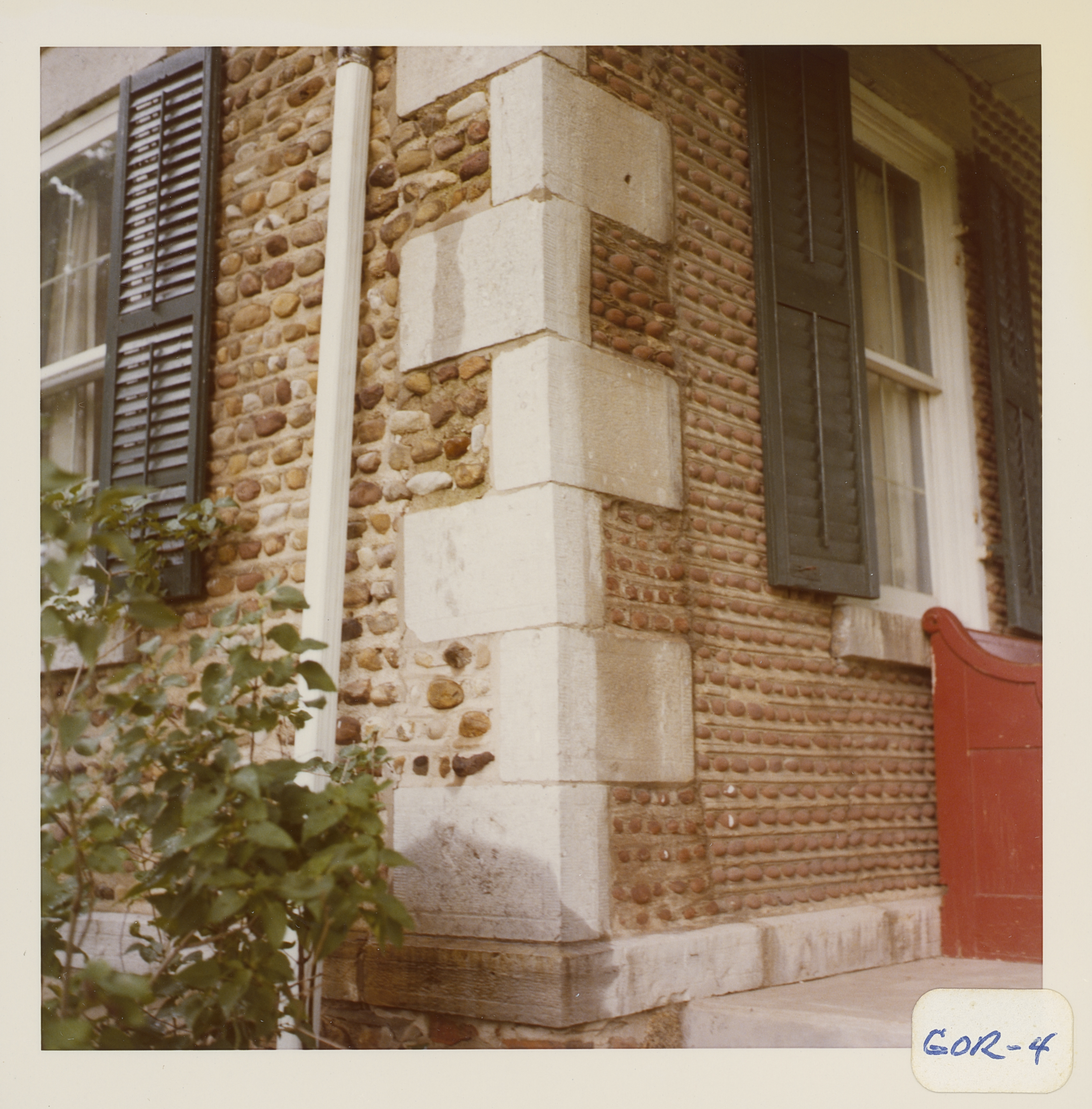
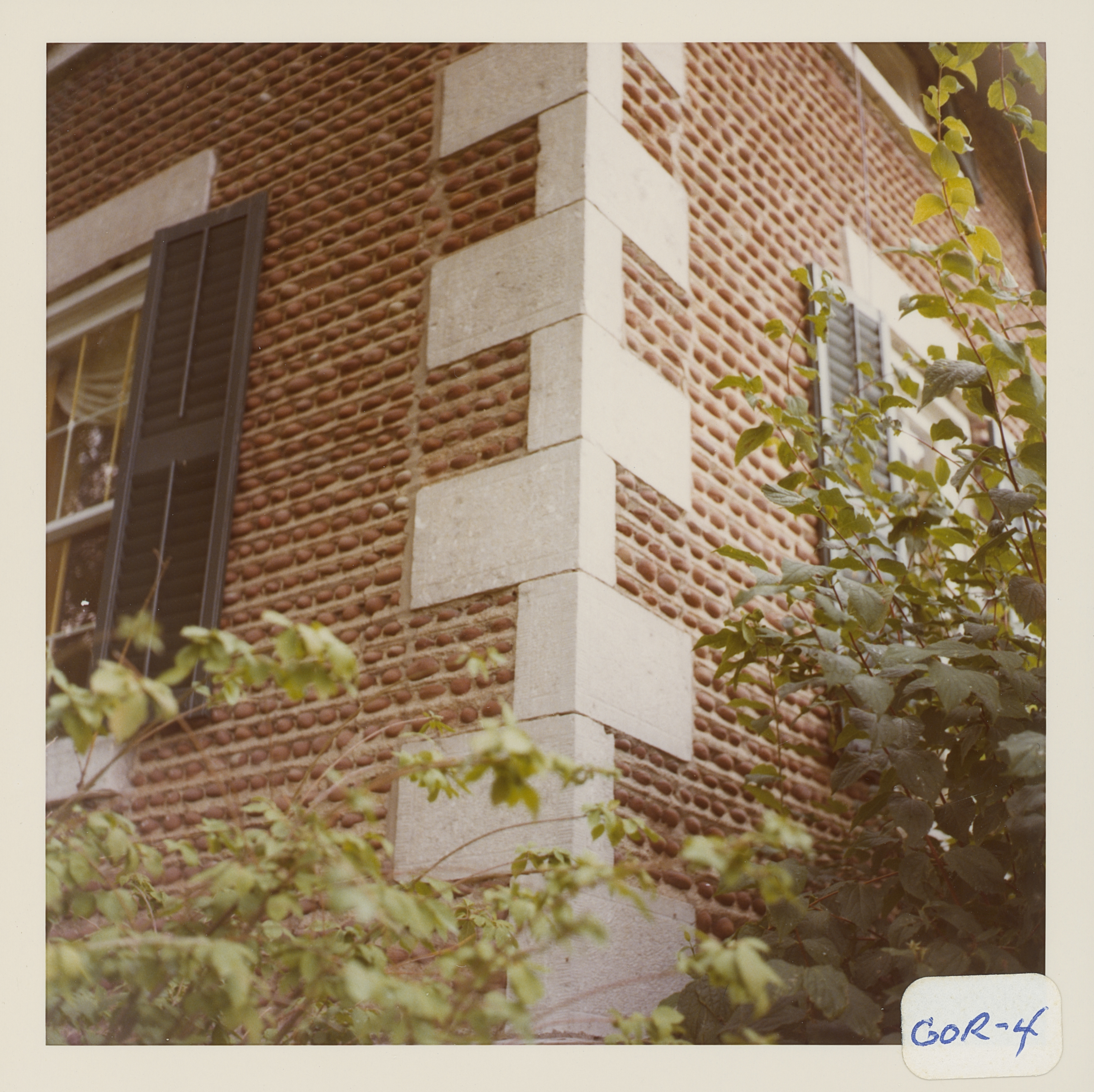
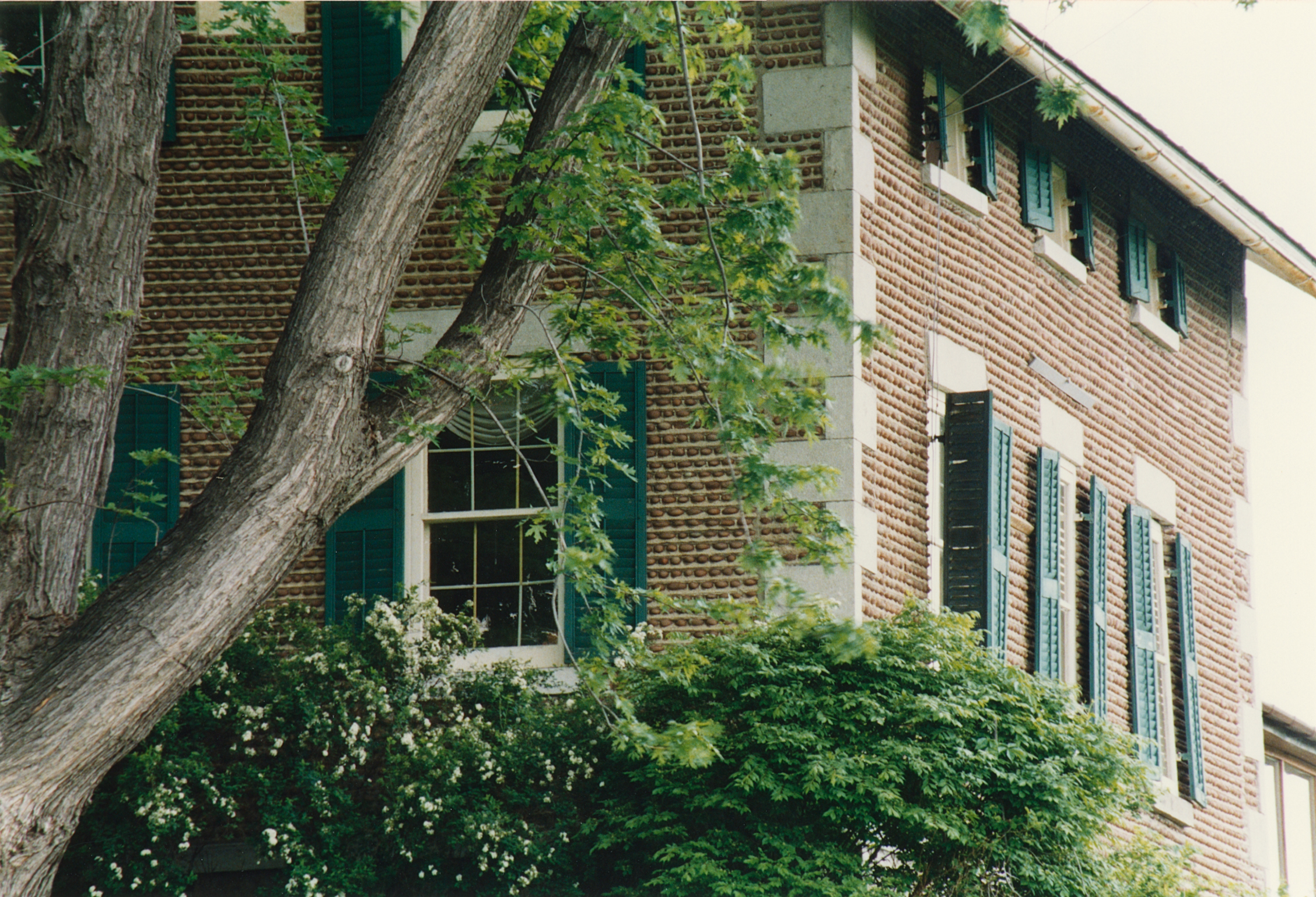
Corner structures: Tooled
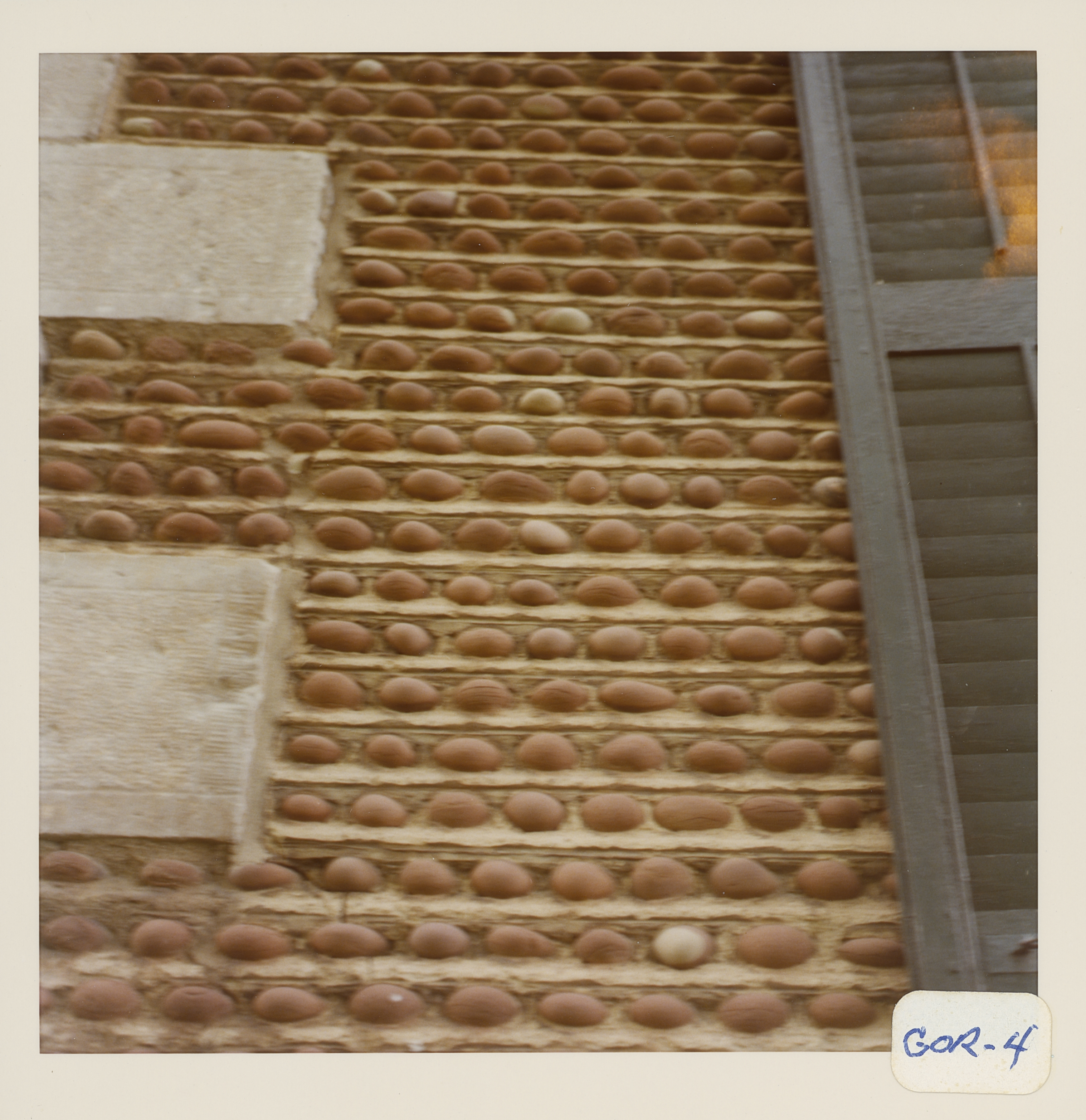
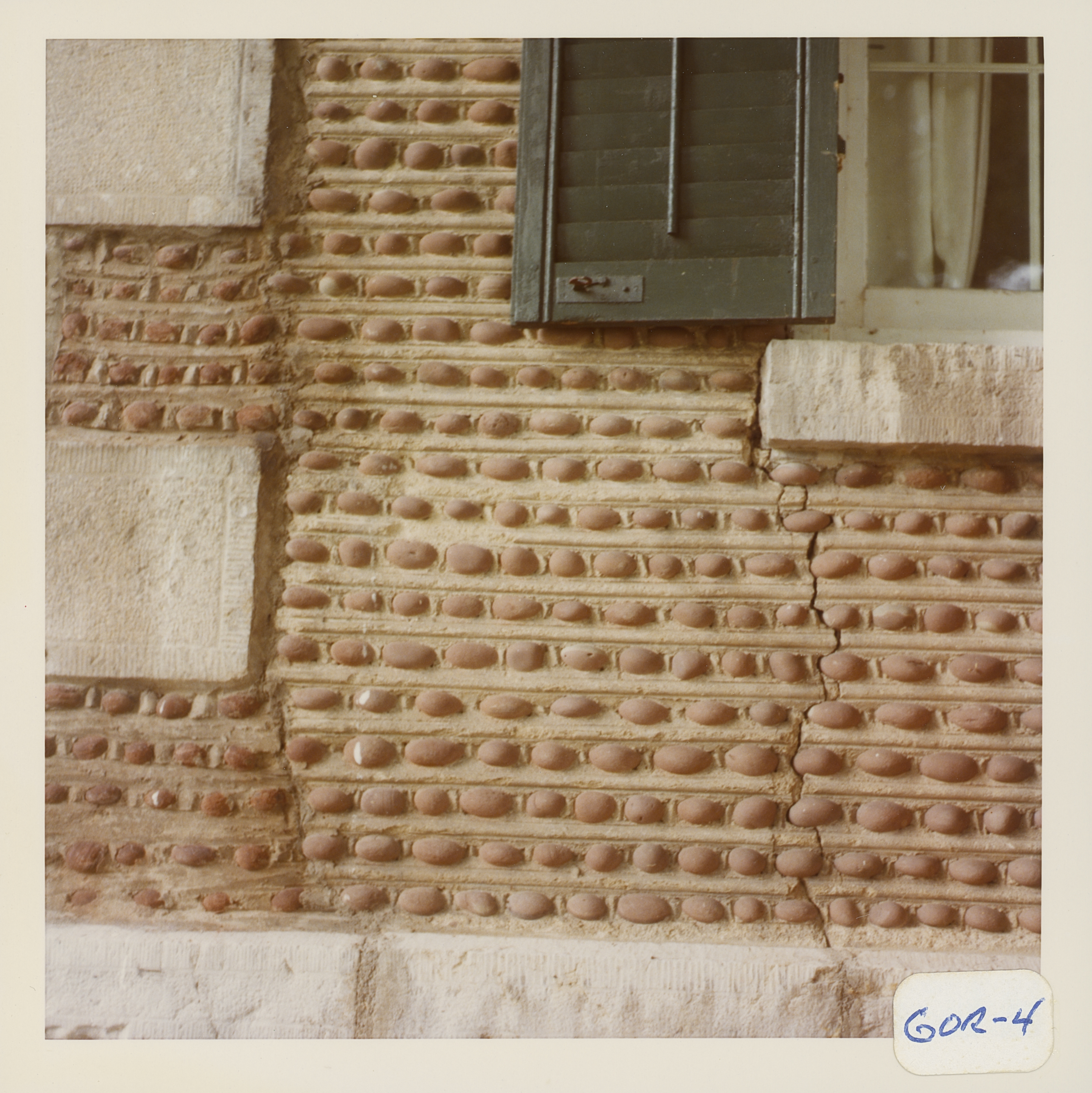
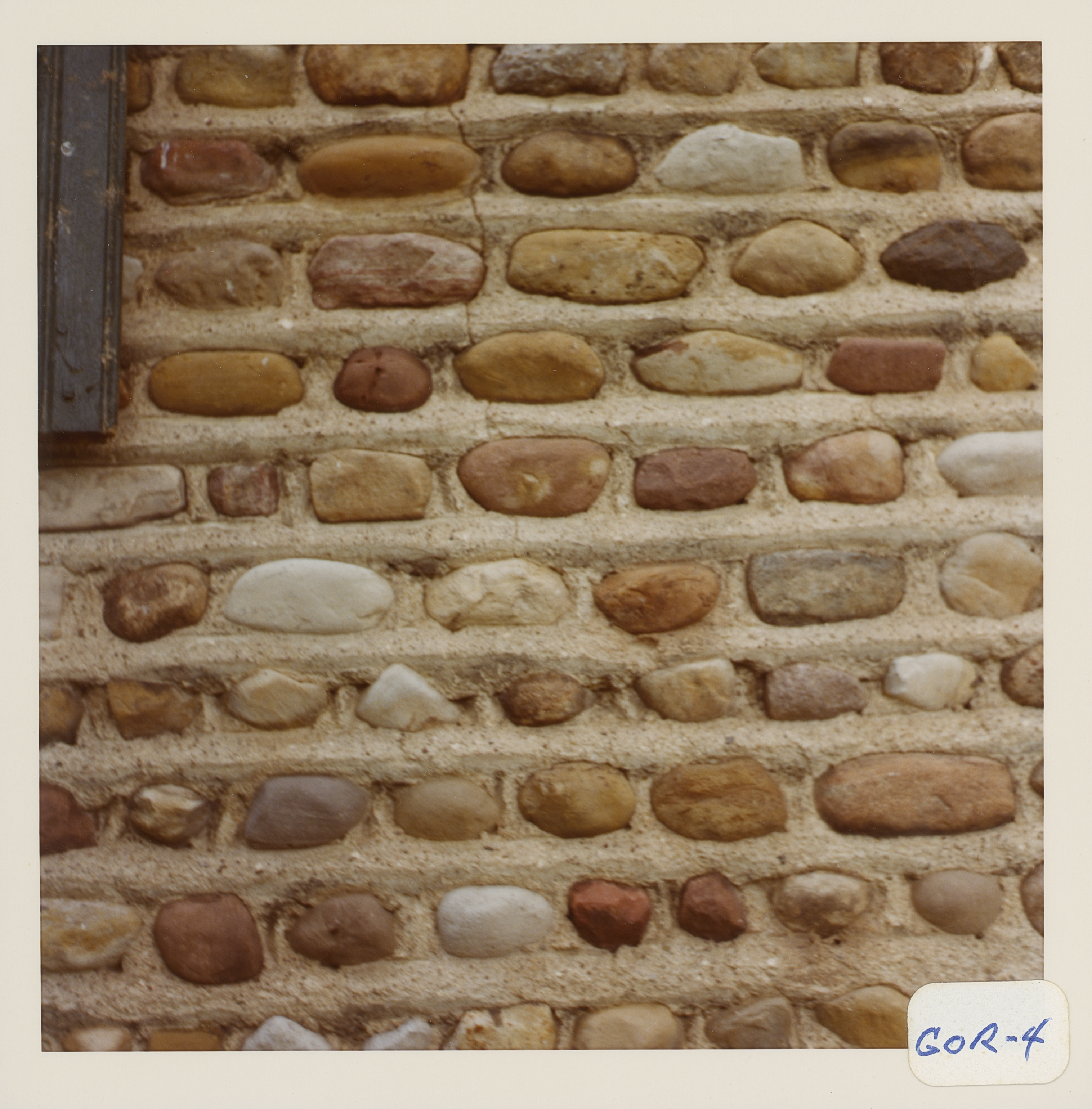
Mortar application and content: Horizontal rounded, vertical thin rounded
Types and uses of stones: Small red
Types and choice of windows:
Structures with similar masonry details:
Masons who worked on building:
Unique features:
Map views courtesy Google Maps. Address is Google Earth confirmed; 42°45'42.26"N 77°14'55.33"W. Current owner of record, Daum as of the 2019 Tax Roll.
Town of Gorham and Ontario County Maps
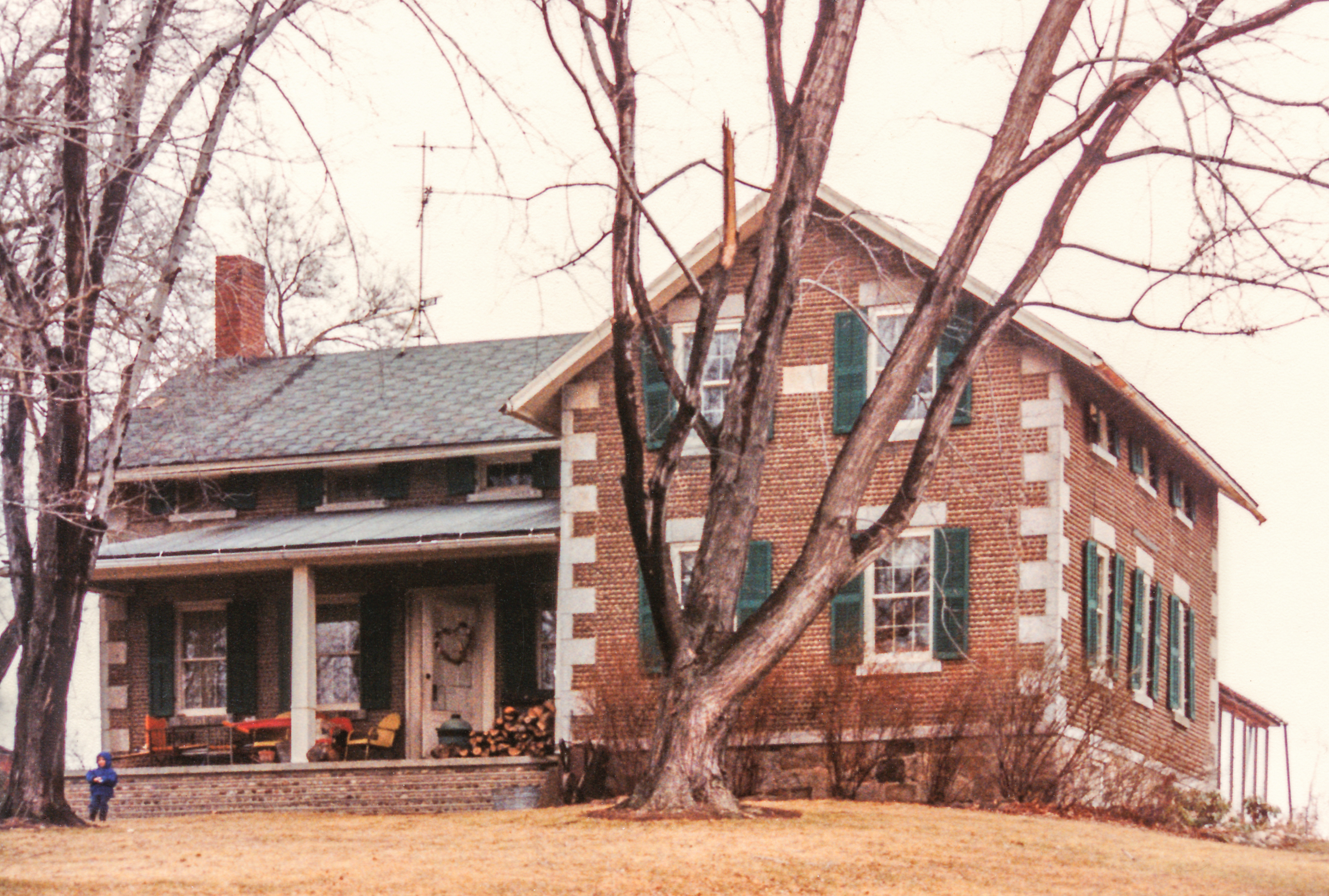
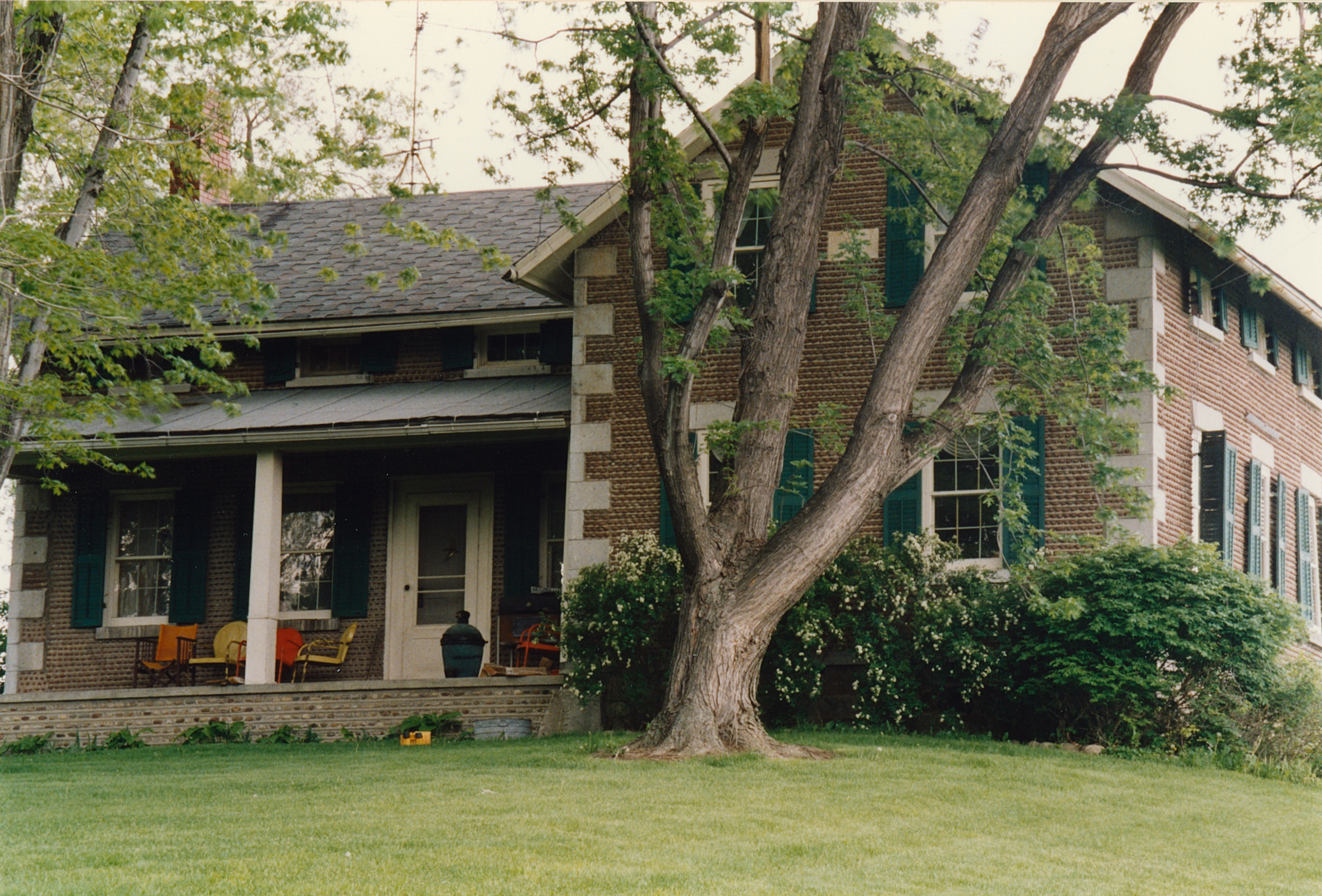
This house at 4450 Townline Road in Rushville was built in 1849 by Henry G. Whitman, brother of Marcus Whitman, American physician and missionary to the Oregon country. Whitman hauled wheat to Sodus Point for shipment and returned with a load of stones he collected, which required a two-day trip. It is said it took 65,000 stones to build the house.
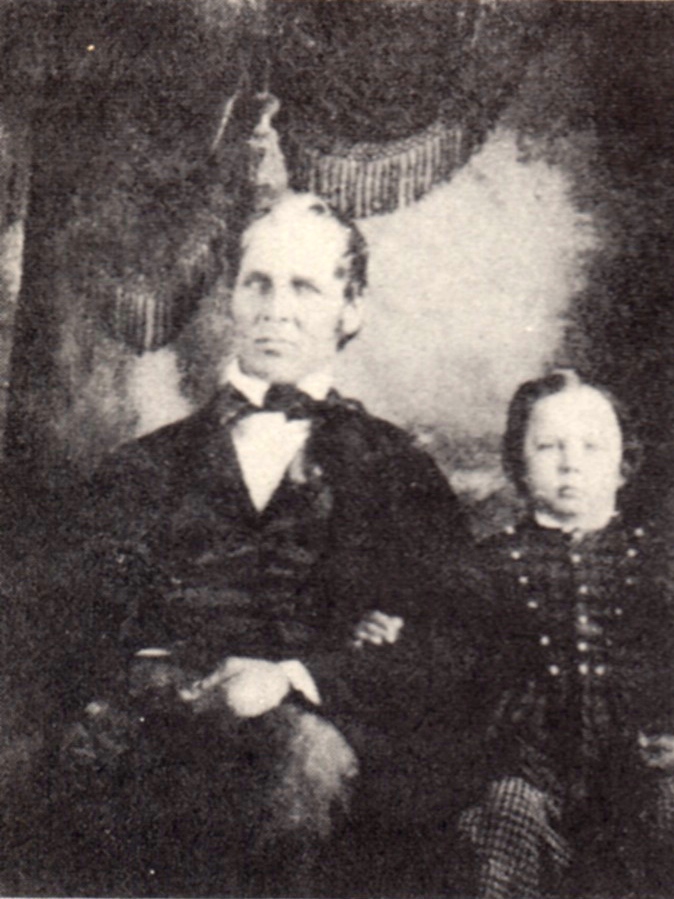
Henry B. Whitman and his son, Henry S., about 1848. Image courtesy Richard Palmer blog.
"The Cobblestone Houses of Upstate New York", compiled by Dorothy Wells Pease. Research done in collaboration with Hazel B. Jeffery, supplemented with material furnished by Carl F. Schmidt, 1941. Reference the sixth paragraph on page 20.
Victor Herald, June 24, 1949
Henry Whitman Farm Near Rushville
Keeps Alive Notable Family Tradition
The Whitman story goes back to Rushville's pioneer era. This was a strong family which gave to the area and country not only Marcus Whitman, one of the foremost figures in the moulding of the West, but also a sturdy, energetic group of men and women who influenced sharply the development of their home area.
The old family home on Rushville's principal street was torn down long ago. This was where in the first years of the 19th century Beza and Alice Green Whitman raised their large family - the sons, Marcus, Henry, Augustus and Samuel, and the daughter, Alice. The New York State Education Department placed a marker here several years ago, but when the street was repaved, the marker was removed. Unfortunately it has not been replaced.
The Henry G. Whitman farm, the strongest direct family tie with modern times, covers 300 acres on a towering hill which looks over the village of Rushville and picturesque Middlesex Valley. The gravel road up the hill is on the Ontario-Yates county line. The quaint cobblestone house is in Ontario county along with the barns and much of the farm. A good-sized pasture and woodland on the south side of the road lies in Yates. The farm is now in the hands of a granddaughter, Mrs. J. Charles Fox.
Henry Whitman was almost four years younger than his famed brother, Marcus. Henry was born in April, 1806, and Marcus in September, 1802. Beza Whitman had come into the Rushville area in 1799, had cleared land for a home and was raising this large family when death came prematurely to him at the age of 37 in April, 1810. The mother lived to the fine age of 79, dying in September, 1857.
Henry Whitman is remembered as a man of energy and ability. In 1828, the same year that his brother, Marcus, completed his medical studies in Pittsfield, Massachusetts, in preparation for his exciting career, Henry Whitman bought five acres of land at the Phelps & Gotham land office in Canandaigua. This was the beginning of the Henry Whitman farm which has come down to the present day.
Gradually he added more land - early deeds show seven acres from Reuben Slayton in October, 1834 and parcels from his brother, Augustus, the following year. Year after year the land was cleared and more of the rich loamy soil put to wheat and other crops. For generations the farm has been known for its excellent grain yields.
The cobblestone home, one of the finest specimens in this section, is exactly a century old. It was finished in the large summer of 1849. The family believes there was an earlier frame house located slightly south and east and that Henry Whitman and his family resided there for at least 10 years. That memorable summer of 1849 was two years after the sad news of Marcus Whitman and his wife had perished in an Indian massacre in Oregon in October, 1847.
There is reason to believe that Henry's brother, Augustus, aided him in the construction of the new housed. The fine cobblestones were brought by ox team from Sodus Point on Lake Ontario. The trip took two days. It was Henry Whitman's practice to take a load of wheat to Sodus for shipment to Montreal and bring back cobblestones. The family estimates that there were at least 6,000 stones used in the building of the home. The heavy oak and maple timbers came from the sawmills which the Whitman brothers owned at Rushville and Potter.
Tragically Henry Whitman did not live long to enjoy his new home. Heart weakness which had bothered him for years was fatal in February, 1854. He was only 47. He left his widow, Emeline Stearns Whitman, who was five years younger than he, and four children - daughters Emma (she was really named Emma after her mother, but was always called Emma), Mary and Anna, and son, Henry S. Whitman, who was only 10 years old at the time.
The next years were dark and difficult for the family. The mother kept the farm active but it was a trying assignment. The late 1850s were years of depression and the shadow of the Civil War was darkening over the land.
Then in October, 1861, came another sad blow. Young Henry S. Whitman, then 17, was crushed to death when the ox team [wagon] which he was driving overturned. His parents had intended that he should carry on the farm. He had been his father's pride. Emeline Stearns Whitman and her daughters were left alone in the cobblestone house on the hill. Richard Palmer email 7/8/2020.
Mrs. Elsie Snider, who once lived there, wrote an essay about the place that was published in the Penn Yan Chronicle-Express on May 7, 1853.
She said that Henry was a brother of Marcus Whitman, a medical missionary who led the first wagon train to Oregon. Their parents, Beza and Alice Whitman, arrived here from Massachusetts in 1810 and built a log house at what is now the corner of Main and Railroad Streets in Rushville. They had five children.
When he was old enough, Henry worked in a local sawmill. When he earned enough money he started to purchase parcels of land in 1831. He purchased it in five different parcels, the last in 1851. The farm was in parts of lots 45 and 46 in Ontario county and part of Lot 12 in Yates county.
He began building his cobblestone home in 1847 - the same year his brother and his wife, Narcissa Prentiss Whitman, were massacred by Indians. The cobblestones were hauled from Sodus Point by ox team or horses. The trip took two days. Henry would take a load of wheat to Sodus for shipment to Montreal and bring back a load of cobblestones.
On one of these trips a horse became sick. A farmer offered to loan Henry a horse so he could return home. Henry said, "But you don't know me." The farmer replied that he looked honest and that such an ambitious man must be all right. Henry borrowed the horse and got home safely. His brother, Augustus, assisted him with building the house.
The oak and maple timbers came from sawmills in Rushville and Potter that were owned by the Whitman brothers. The lake-washed sandstones were run over a board with different size holes in it. They would fall through the holes into piles of various sizes.
Henry, who had turned to farming, died in 1854 at the age of 48, leaving his widow and four children. It was then sold to John C. Fox who married Henry's sister, Emma. It remained in the family until it was purchased by John and Elsie Snider in 1951.
Historical notes from Cobblestone Museum archives.
Historic Whitman farm near Rushville
By Richard Palmer
Located on a hillside on Townline Road near Rushville overlooking a picturesque valley near the village of Rushville is a cobblestone house built by the brother of Marcus Whitman, one of the foremost figures in the history of the West.
Beza and Alice Whitman were among the earliest pioneer families in Rushville. They came from Massachusetts and settled in an area known as Federal Hollow. He was a shoemaker, tanner and tavern-keeper. They had three sons, Marcus, Henry, Augustus and Samuel, and a daughter, Alice. Henry Whitman eventually established a 300-acre farm overlapping the Yates and Ontario county line where he built a cobblestone house.
Henry Whitman was almost four years younger than his famed brother, Marcus. He was born on April 26, on April 21, 1806, and Marcus on Sept. 8, 1802. Beza Whitman had come into the Rushville area in 1799, had cleared land for a home and was raising this large family when death came prematurely to him at the age of 37 on April 7, 1810. She was remarried to Calvin Loomis and they had two children. Sheied in September, 1857 at the age of 79.
Henry Whitman was remembered as a man of energy and ability. He was a prosperous farmer. In 1828, the same year that his brother, Marcus, completed his medical studies in Pittsfield, Massachusetts, in preparation for his exciting career. Henry Whitman bought five acres of land at the Phelps & Gorham land office in Canandaigua.
Gradually he added property to the farm. The land was cleared and the rich loamy soil yielded record crops of wheat and other grains. For generations the farm has been known for its excellent grain yields.
The cobblestone home, one of the finest specimens in this section, is exactly a century old. It was finished in the large summer of 1849. The family believes there was an earlier frame house located slightly south and east and that Henry Whitman and his family resided there for at least 10 years. That memorable summer of 1849 was two years after the sad news of Marcus Whitman and his wife had perished in an Indian massacre in Oregon in October, 1847.
Henry's brother, Augustus, aided him on the construction of the new house. The fine cobblestones were picked up along the shoreline of Lake Ontario near Sodus Point and hauled by ox team to Rushville. The trip took two days. It was Henry's routine to take a load of wheat to Sodus for shipment to Montreal and bring back cobblestones. It was estimated it took at least 6,000 stones to build the house. The heavy oak and maple timbers came from the sawmills which the Whitman brothers owned at Rushville and Potter.
Henry Whitman did not live long to enjoy his new home. For years he suffered from heart trouble. He died in February, 1854 at the age of 48. He left his widow, Emeline Stearns Whitman, who was five years younger than he, and four children - daughters Emma, Mary and Anna, and son, Henry S.
The following years were difficult for the family. The mother kept the farm active but it was a trying assignment. The late 1850s were years of depression and the shadow of the Civil War was darkening over the land.
Then on Oct. 20, 1861 came another sad blow. Young Henry, then 17, was crushed to death when the ox team which he was driving overturned. His parents had hoped he would in his father's footsteps. Emeline Stearns Whitman and her daughters were left alone in the cobblestone house on the hill. Richard Palmer Blog.
The Cobblestone Society & Museum Tours:
Whitman - Fox - Snyder House 5th Annual 06/12/1965Historic Structures Visited, 5th Annual Cobblestone Tour Brings 1,100 to City, by Mildred Jennings, The Geneva Times, page 6, 6/15/1965
- "Cobblestone Masonry", 1966, Carl Schmidt: Name reference, Whitman - Snyder House
- Page 97
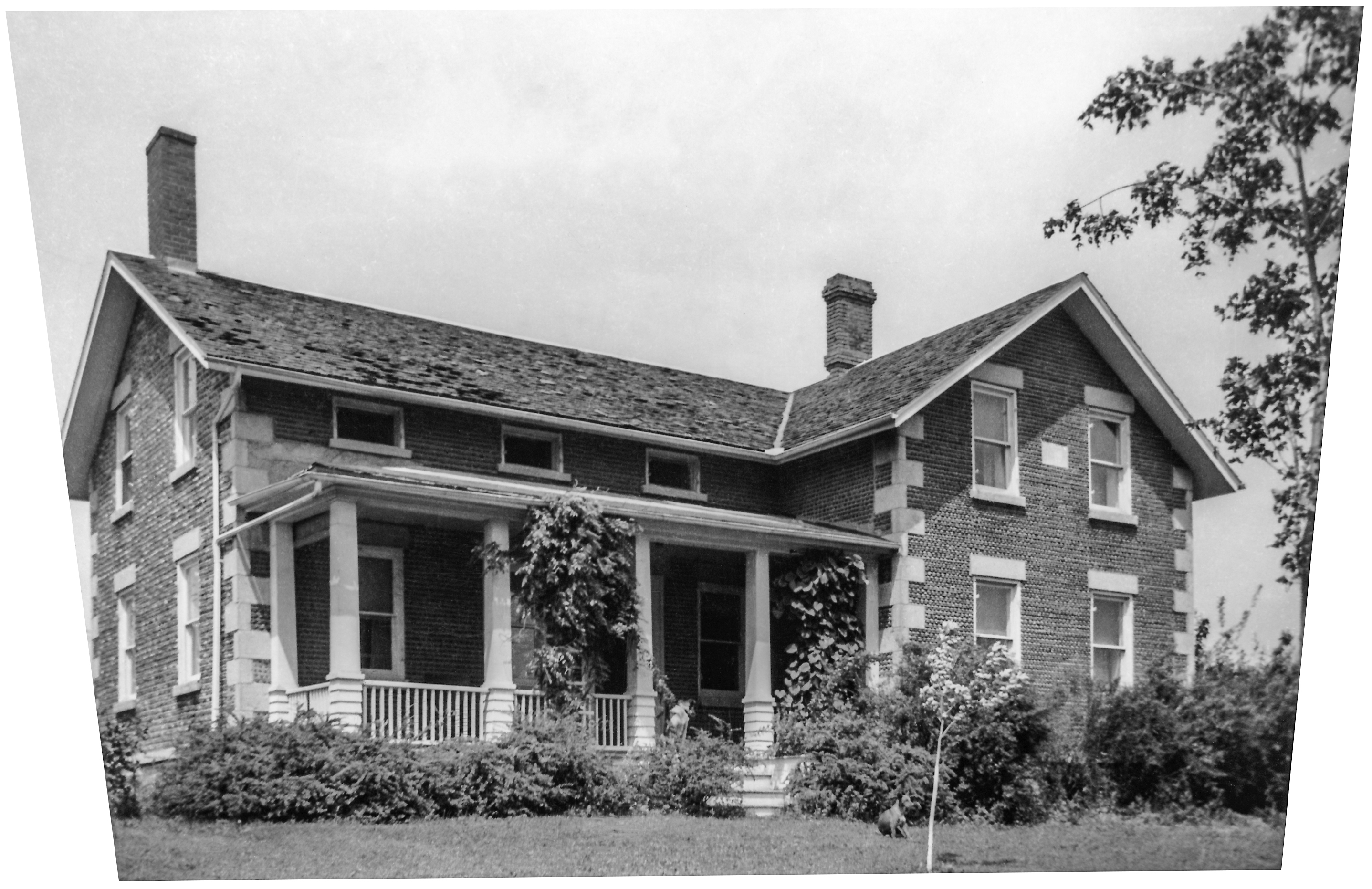
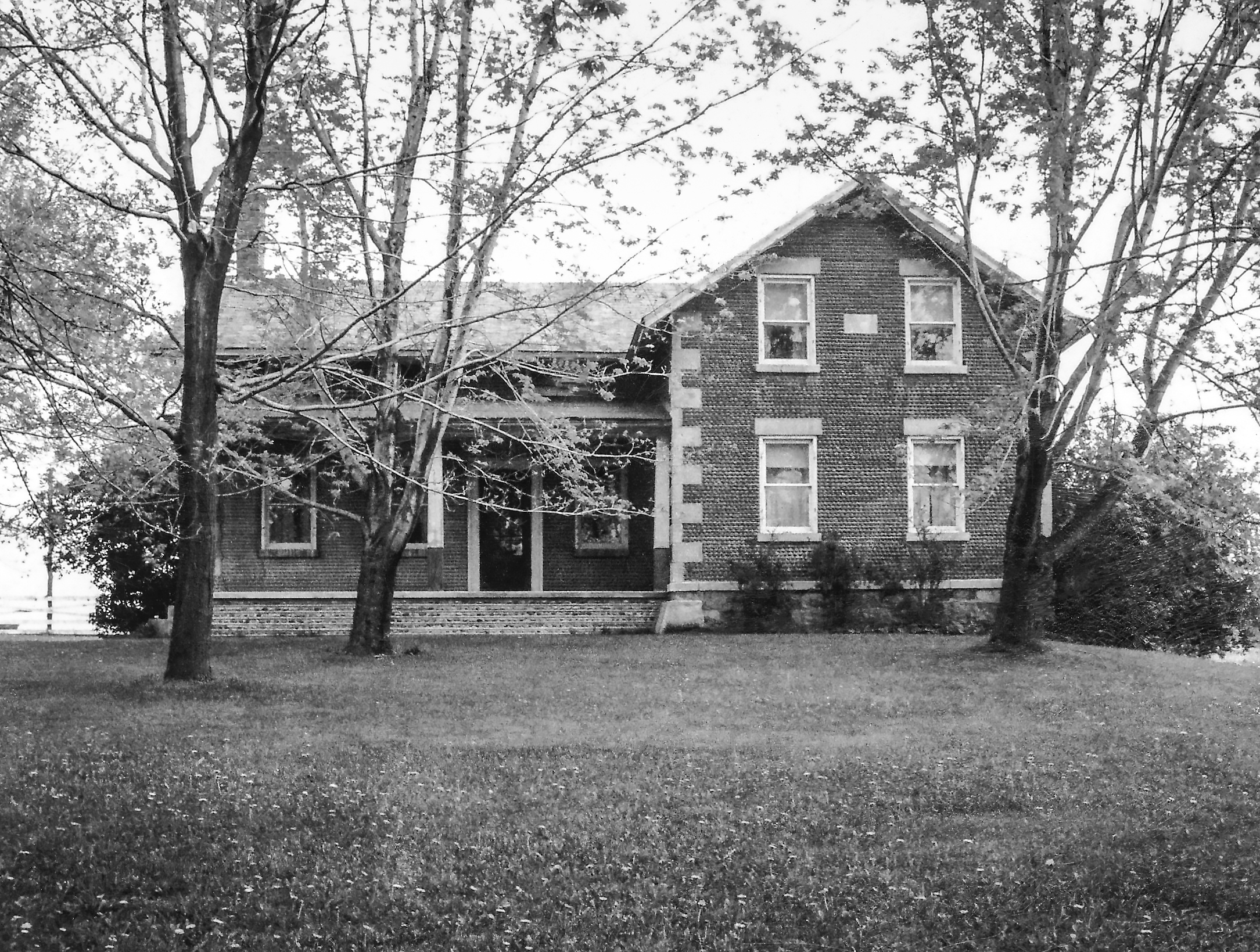
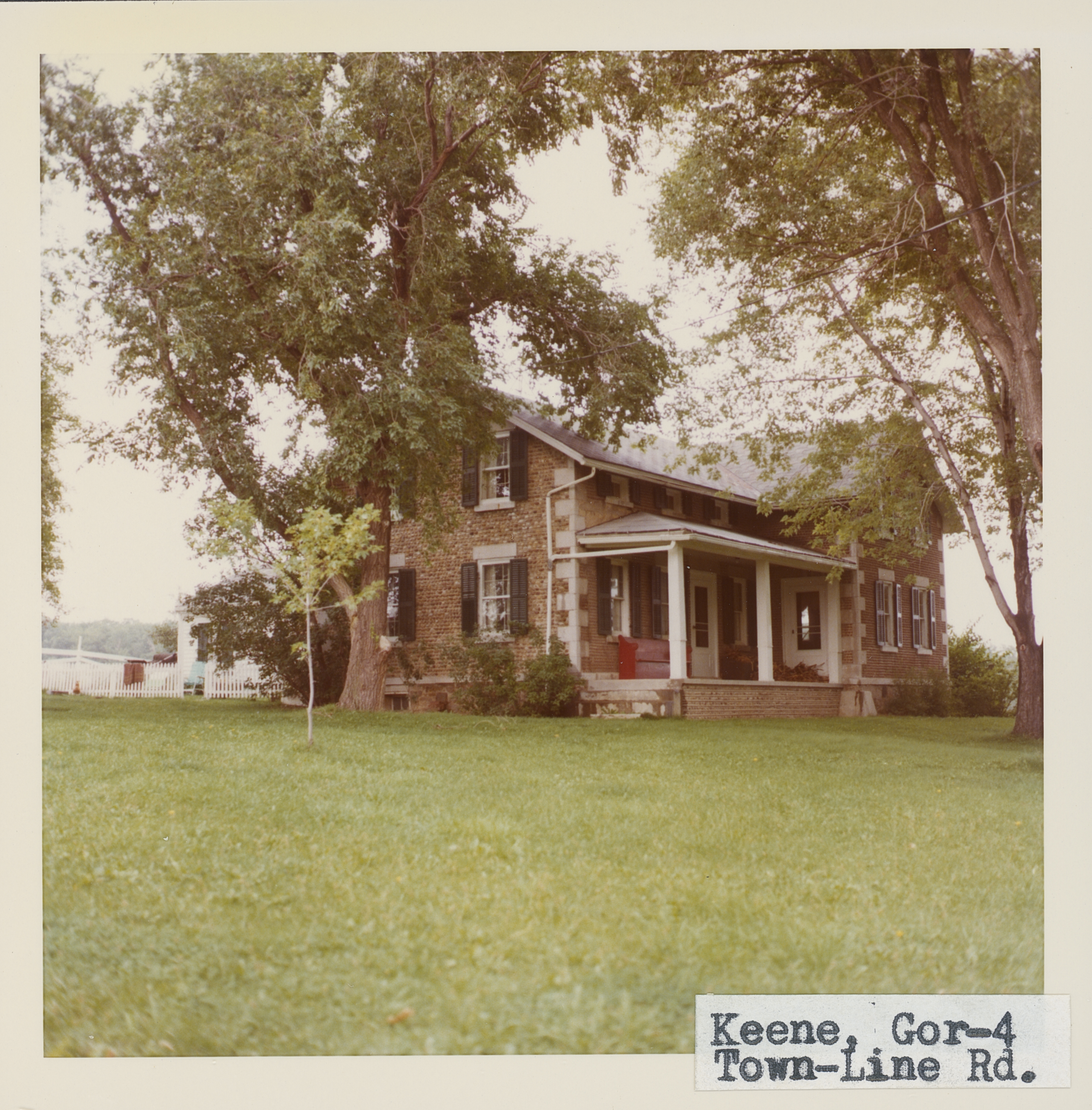
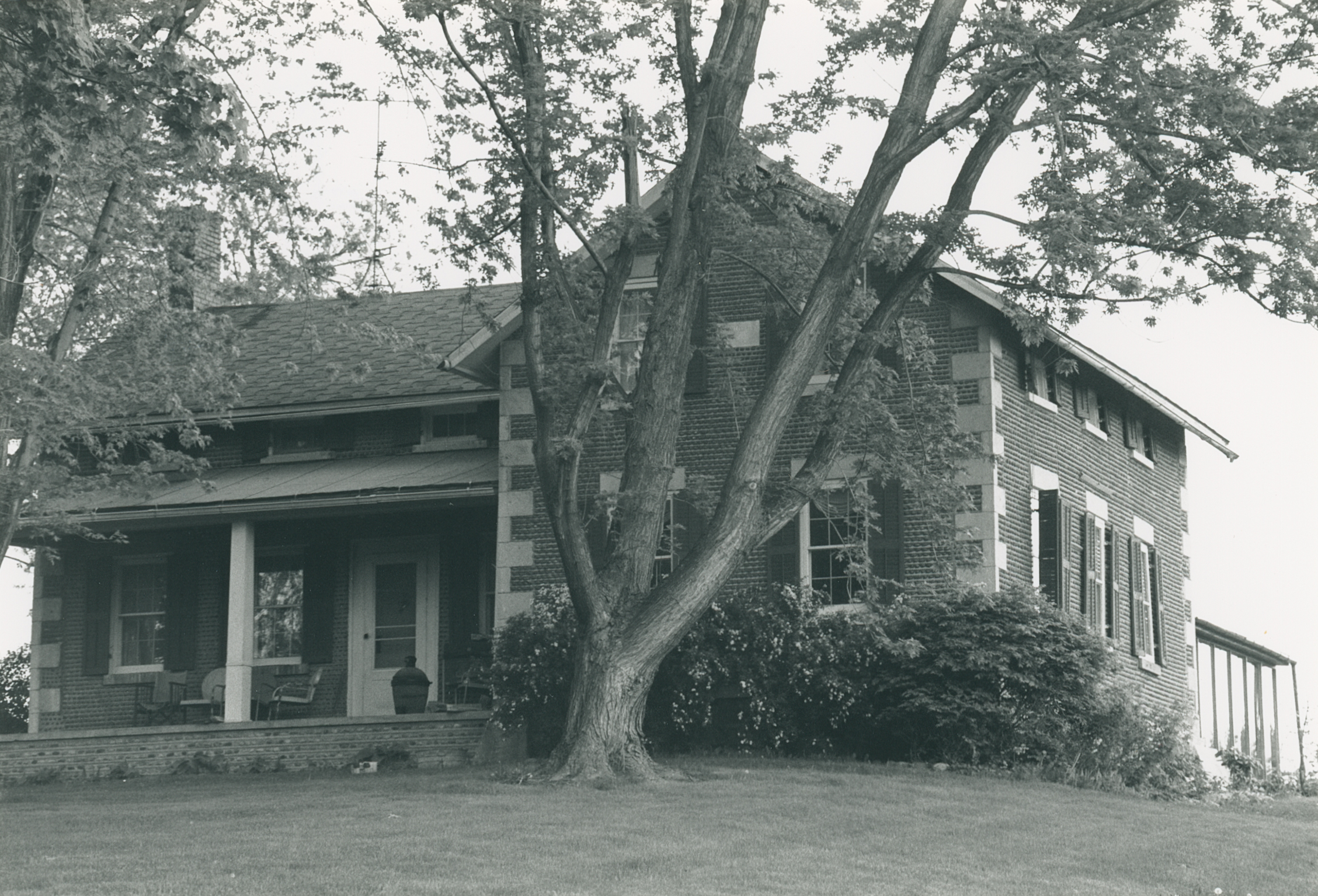
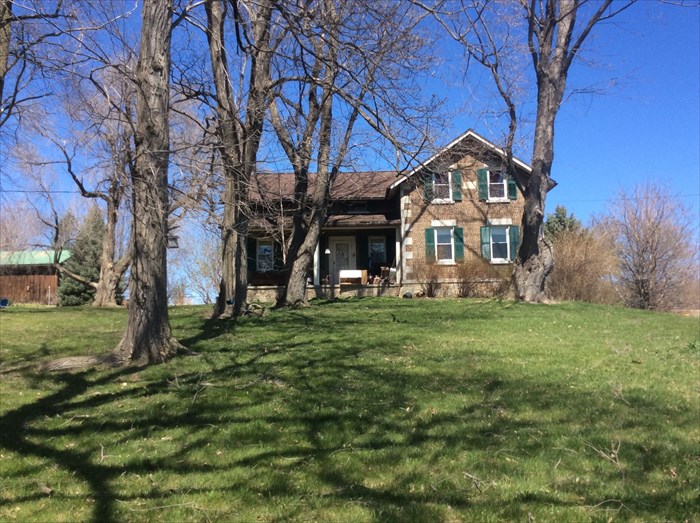
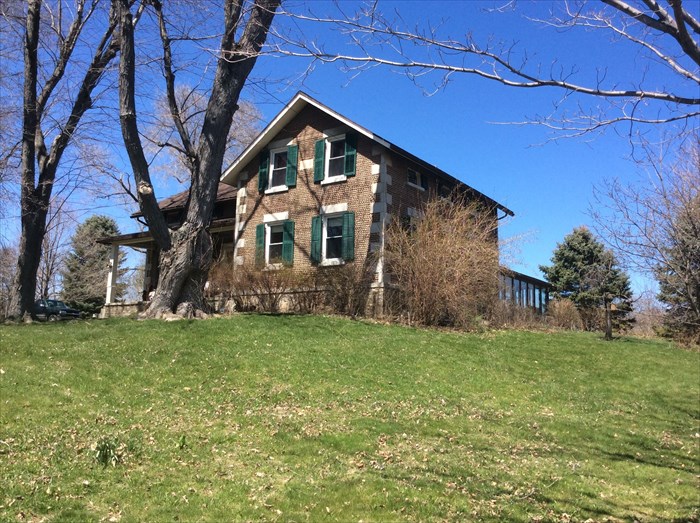
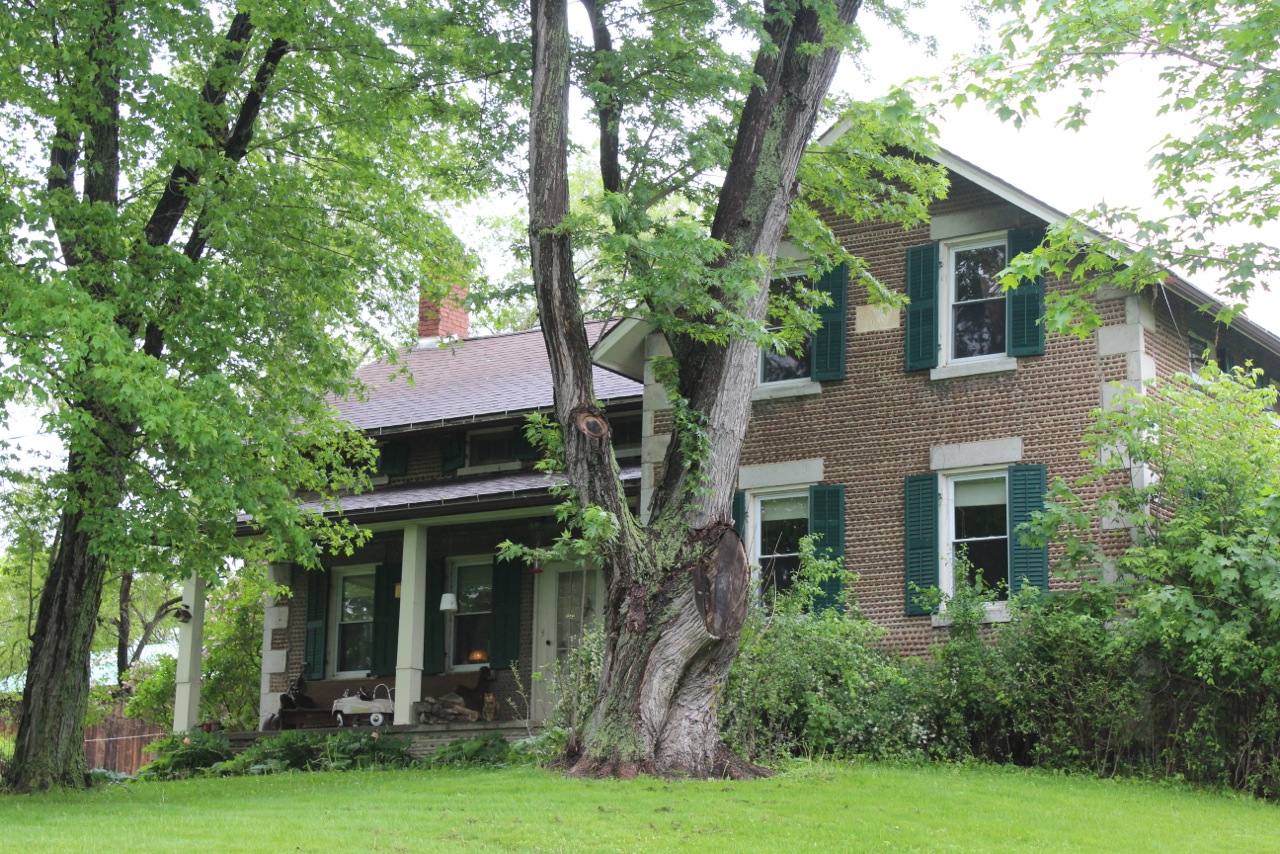
¹ Image courtesy Cobblestone Museum.
² Photography courtesy Martin and Sheila Wolfish.
³ Photography courtesy Richard Palmer.
